
We’re only a few weeks into 2026, and Chicagoans have had more than one occasion to take to the streets. For most of the city’s sports fans, the past weekend was cause for celebration; in addition to Bulls and Blackhawks victories, the Chicago Bears pulled off a stunning comeback to beat rivals Green Pay packers in their first playoff win since 2010. Despite low expectations heading into this season, the Bears have given Chicagoans a reason to hope—something desperately needed in these times. (Read all about it in our Sports Roundup this week on page 4 and look out for more stories about the Bears in the coming weeks.)
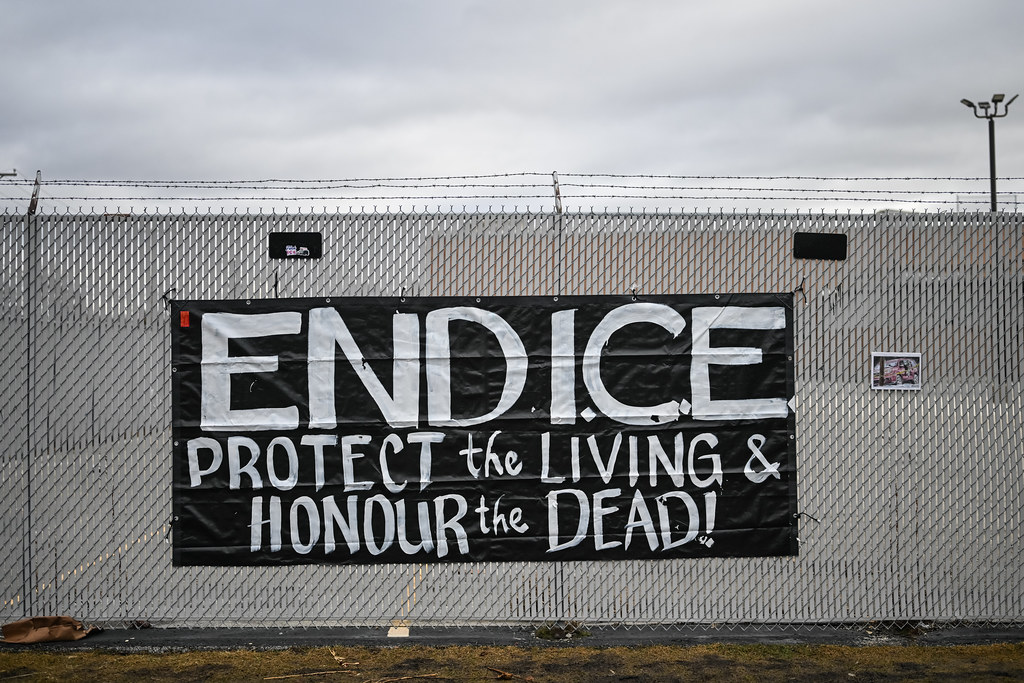
Last week, just days into a massive ICE and Border Patrol operation in Minneapolis, ICE agent Jonathan Ross shot and killed Renee Good, a thirty-seven-year-old U.S. citizen and mother of three as she was pulling away from an interaction with ICE agents. Trump administration officials have called the killing justified and attempted to label Good as a “domestic terrorist” but videos show Good was turning her car away from Ross when he shot her. Protests have erupted in Minneapolis and throughout the country, including in Chicago.
The killing was a stark reminder of the escalation in force by ICE, CBP, and other federal agents carrying out the Trump administration’s mass deportation agenda. In the last month alone, agents have shot at least three people, including Good. And for many Chicagoans, the killing of Good reminded of when ICE agents shot and wounded U.S. citizen Marimar Martinez and killed Mexican immigrant and longtime resident Silverio Villegas González. Following that killing, the Weekly published a story examining the tragic return of González’s body to Mexico, and the complicated bureaucratic processes involved in transporting remains of immigrants back to their home countries.
Despite feeling some reprieve over the last few weeks as ICE shifted focus away from Chicago, it’s clear that there is a long road ahead. Last year, Congress increased ICE’s budget to $170 billion, allowing the agency to double its ranks with 12,000 new hires. These resources have enabled the disruptive, chaotic, and violent occupations that target individual cities across the country, such as the “Midway Blitz” that targeted Chicago in the fall. It’s why Chicagoans turned out en masse to a CCPSA meeting last week to demand the oversight commission call a hearing into claims that CPD cooperated with and assisted immigration agents last fall, and to impose tighter rules and consequences should that happen again this year. (See page 6 for a story on that meeting.)
We chronicled the ways in which residents resisted and evaded agents with whistles, mutual aid, and neighborhood patrols, and in collaboration with several Chicagoland outlets, published an investigation documenting how ICE and CBP officers used tear gas in Chicagoland nearly fifty times last fall. The use of tear gas was among a litany of abuses cited in a lawsuit filed against the Trump administration by Chicago and the state of Illinois for what they argue is an “illegal occupation” of the city by immigration agents intended to “coerce Plaintiffs to abandon their policies, which value and respect the state’s immigrants.” (Read all about that lawsuit on page 5).
And just days before these recent protests, Chicagoans hit the streets to stand against the military incursion of Venezuela by U.S. forces and the capture of its president, Nicolas Maduro. Trump has been surprisingly clear that oil and the projection of military power are the driving factors behind the incursion, and has met with oil executives to discuss the plunder of Venezuela’s oil reserves. Even as some Venezuelans were happy to see Maduro gone, the military operation has created more uncertainty for the thousands of Venezuelan immigrants who have made Chicago their home and hoped to claim asylum and build a life here. (Read all about that on page 7). Meanwhile, the president continues to plot an invasion of Greenland, which is administered by NATO member Denmark, a U.S. ally.
All of these assaults and uncertainties are not without their impacts. As some immigrants choose to stay home out of fear of being arrested and deported, others are seeking out ways to heal and persevere against the psychological (and sometimes physical) trauma of a mass deportation agenda. Our story on susto healing practices explores how some healers are bringing rituals like limpia to more people in Chicago. (Read that story on page 10.)
ICE and CBP have promised to return to Chicago in force this spring. We’ll be here reporting on whatever happens.