
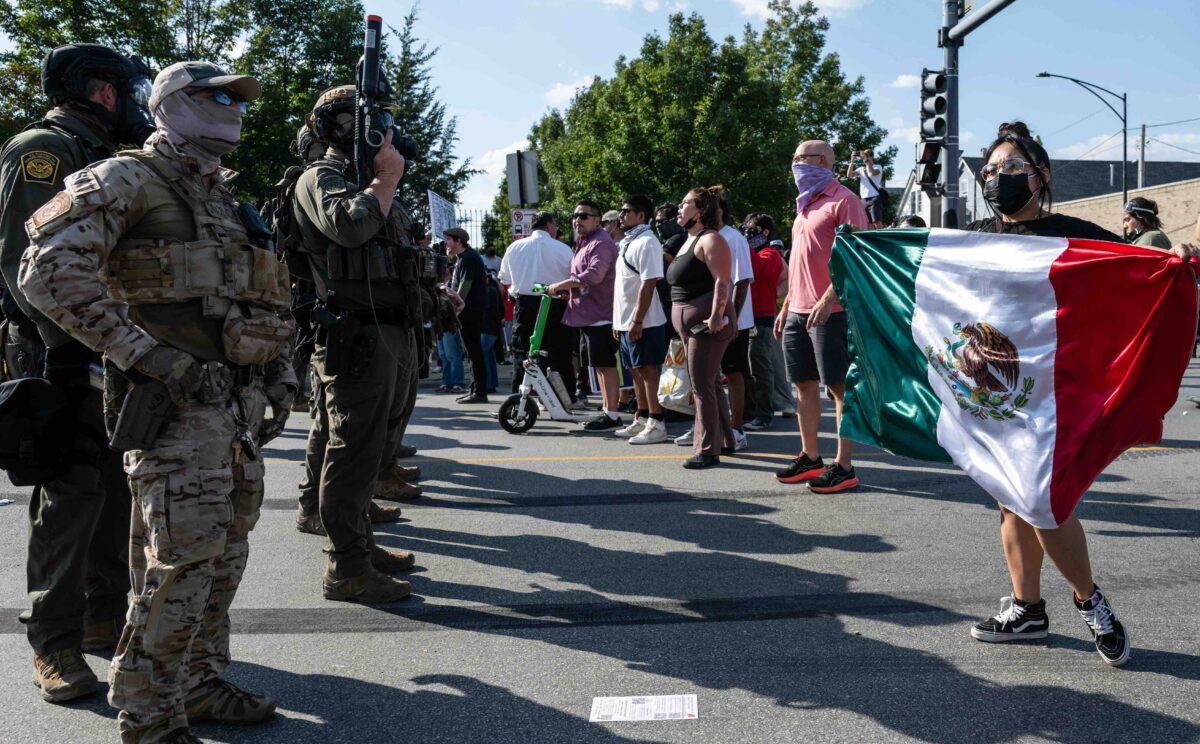
The collective outrage over the deaths of Renée Good and Alex Pretti—two white U.S. citizens killed by federal immigration agents—has drawn national attention to the wanton use of lethal force against communities during ICE raids.
But this violence is not new.
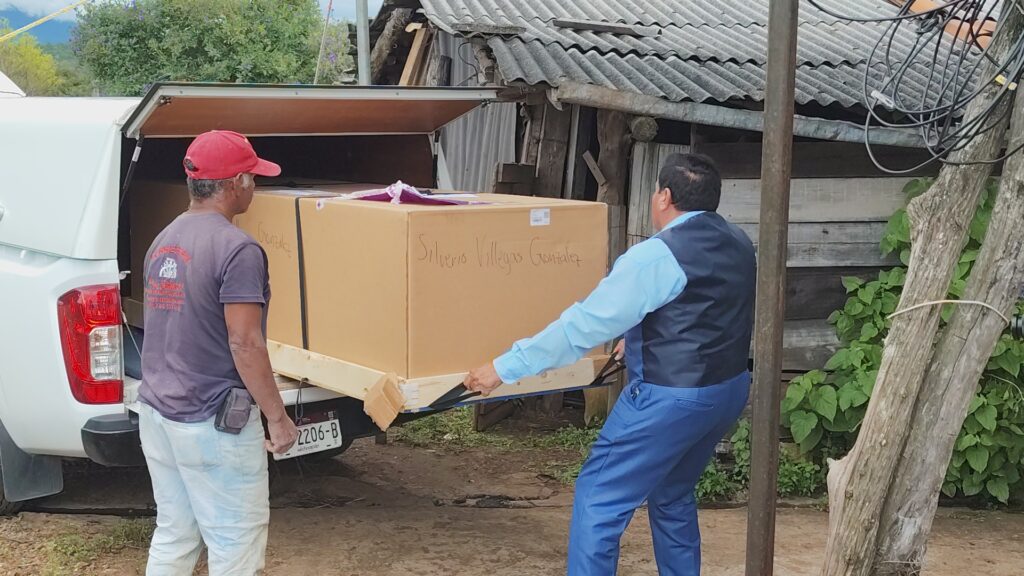
Other killings by ICE in similar operations, including the fatal shooting of Silverio Villegas Gonzalez during Operation Midway Blitz in Chicago last year, have received far less attention.
In fact, ICE and other federal agents have been involved in deadly enforcement operations for years, long before Minneapolis became a national story. These patterns of violence instill fear across immigrant communities, yet often go unaccounted for.
ICE agents said Villegas Gonzalez resisted arrest and attempted to flee, and that an agent was seriously injured, prompting another to fire. But body-camera footage shows the agent described his injuries as “nothing major” and eyewitnesses saw no one dragged by his vehicle. Claims that Gonzalez was “fleeing” have been used to defend the murder.
Notably, both the deaths of Good and Villegas Gonzalez were initially framed by federal authorities as responses to agents being struck or seriously injured by vehicles.
Claims that Villegas Gonzalez was fleeing, or that there isn’t enough footage, do not justify lethal force. Narratives linking undocumented status, minor resistance, or perceived threat to diminished concern follow a documented pattern: media and public framing shapes who is seen as a sympathetic victim and whose death is largely ignored.
The killing of Keith Porter, a Black U.S. citizen in Northridge, Los Angeles by an off-duty ICE agent, has similarly faded from the national conversation, despite unresolved questions and family demands for accountability.
The national focus on white U.S. citizens’ deaths narrows public concern to those presumed safe from immigration enforcement and sidelines the broader fight for immigrant rights. This point is elevated when after the Minneapolis killings, the White House said President Donald Trump does not want to see people hurt or killed on U.S. streets but will not back down from efforts to deport “violent criminal illegal aliens.”
However, official data shows that most people in ICE custody have no criminal convictions, and only a small fraction have been convicted of violent crimes.
The disparity is also clear in fundraising: campaigns for Good and Pretti have raised over $1.2 million each, while efforts for others killed in federal actions range from hundreds to tens of thousands. Villegas Gonzalez is absent from many of these lists.
Maintaining attention and solidarity with immigrant communities is essential, not just when citizens are affected, because enforcement-driven fear can erode immigrant protections if public concern focuses narrowly on citizens.
Recognizing these patterns doesn’t lessen any one death; it highlights persistent inequalities in how immigrant communities are policed, reported on, and defended.