

Since 2013, South Side Weekly’s Best of the South Side (BoSS) has celebrated the people, places and events that make the South Side an indelible vibe, a cherished destination, and most importantly, home sweet home.
Of Chicago’s 77 community areas, we count 45 as being on the South Side. Those areas contain more than 100 distinct neighborhoods, depending on who you ask. As of 2023, the Chicago Metropolitan Agency for Planning estimates that just over 1 million people live in these communities.
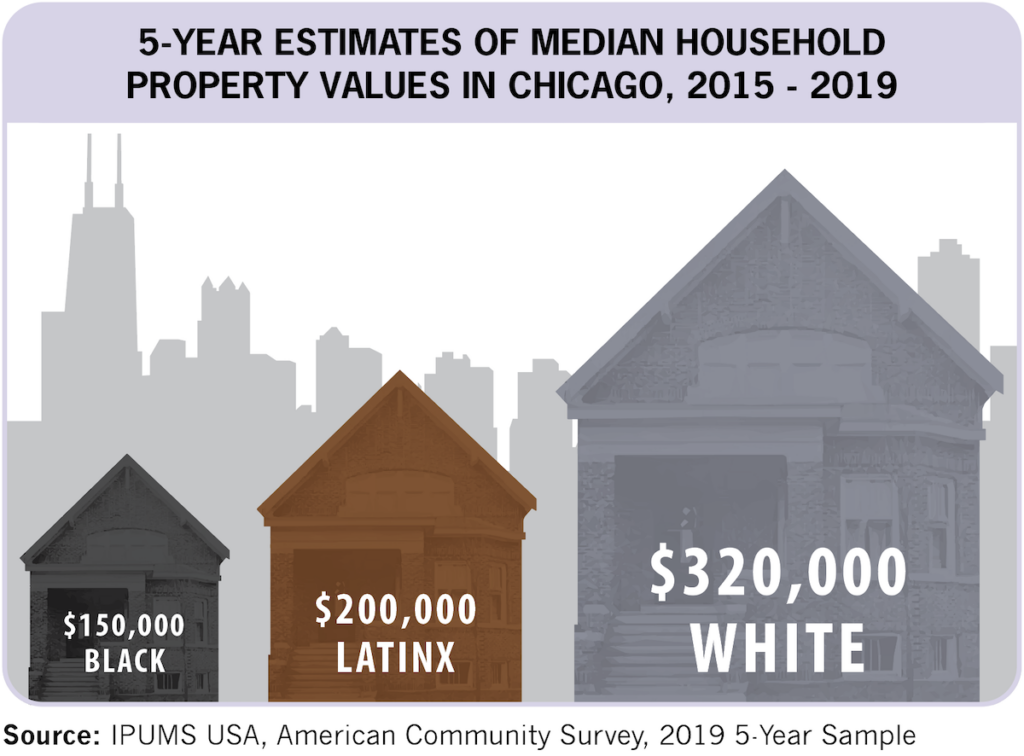
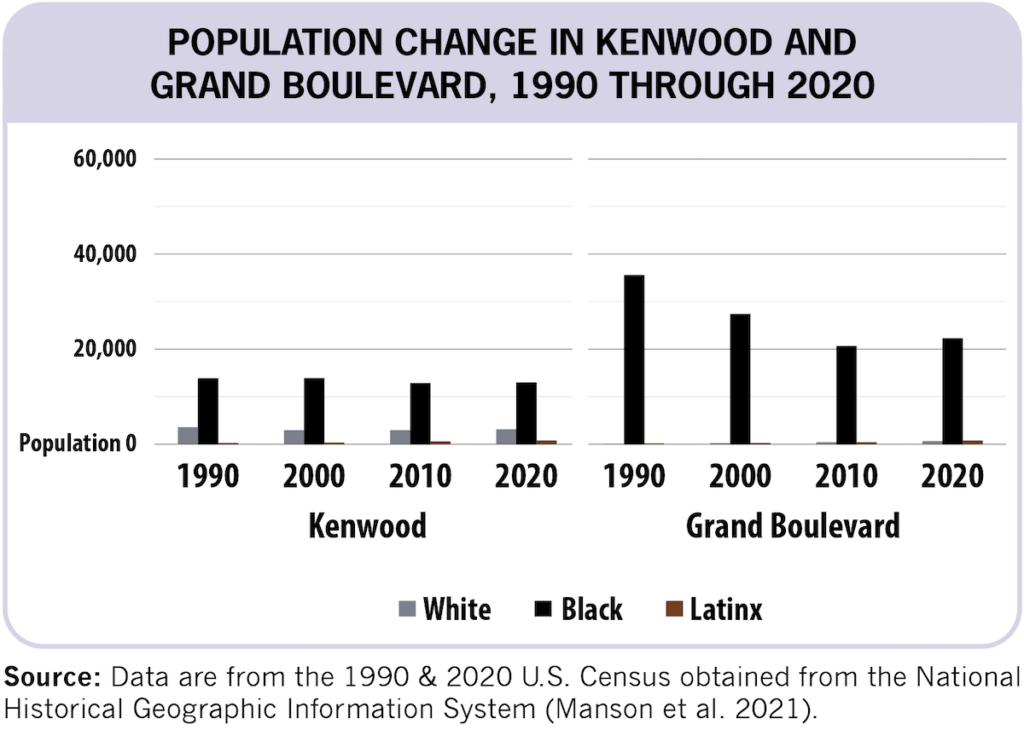
In this year’s BoSS, we’re also engaging change and evolution in the region, as well as its history. Recent reports from the Institute for Research on Race and Public Policy (IRRPP)— a University of Illinois-Chicago collaborative that promotes and coordinates research on racial and ethnic justice in the U.S.—provide critical information about how the South Side is changing, particularly in comparison to the rest of the city.
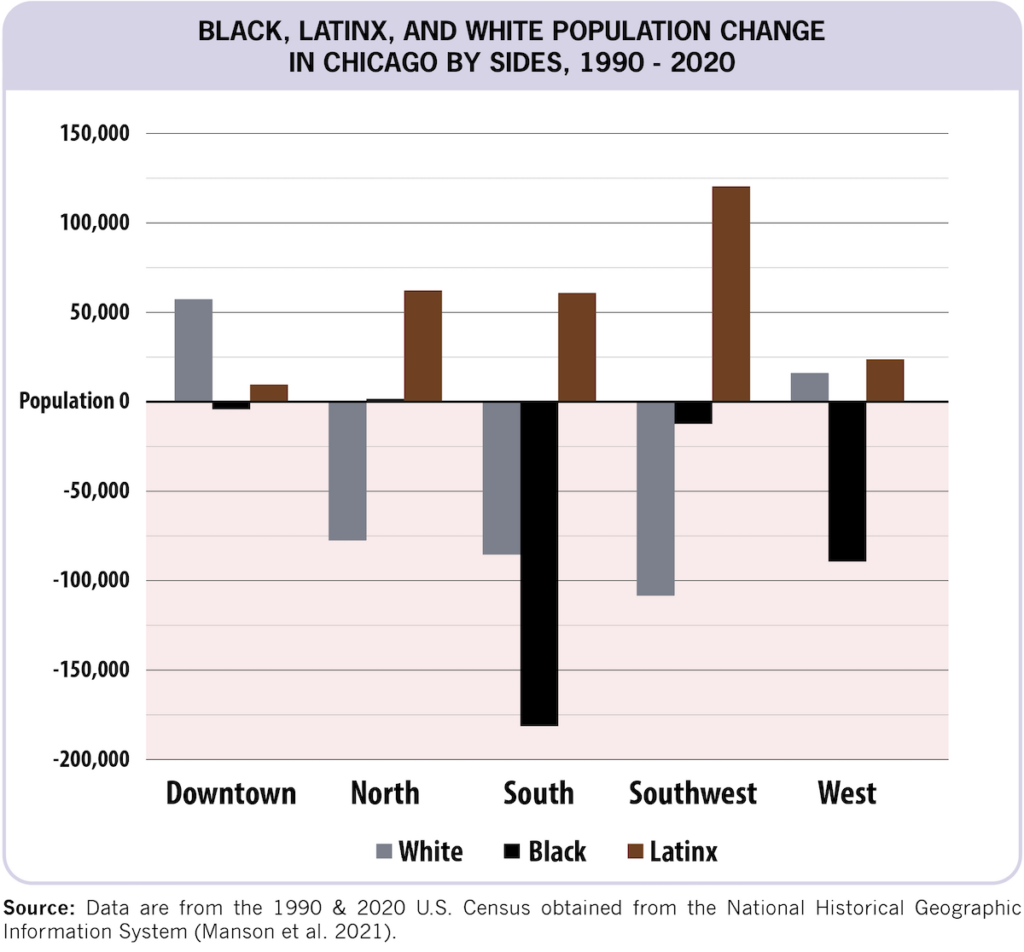
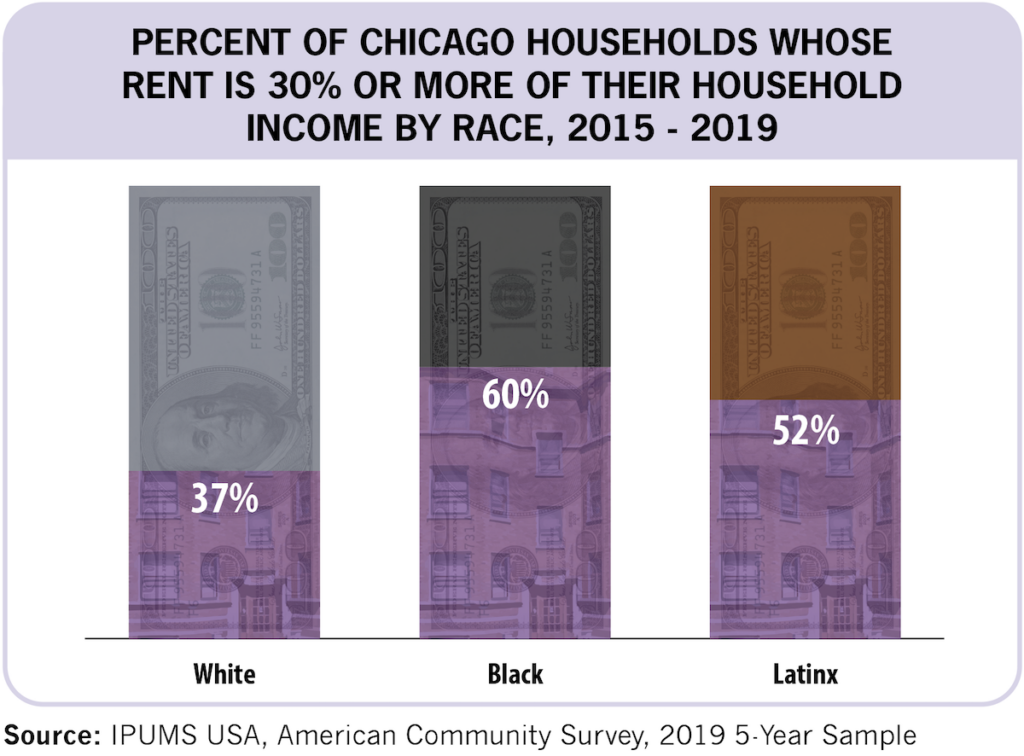
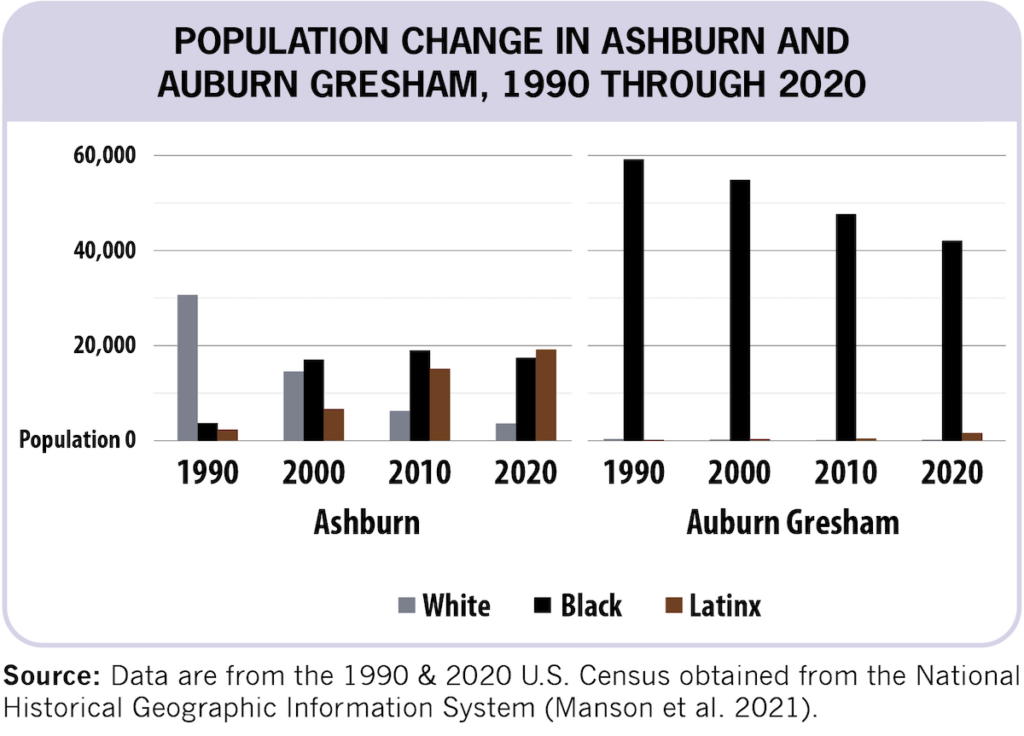
The charts below are from their MacArthur Foundation-sponsored report, Shifting Population Trends in Chicago and the Chicago Metro Area (2022), which aggregates data going back decades to document the region’s demographic trajectory since the early 20th century. Along with distinct periods of population growth and decline, the report addresses systemic challenges, such as disinvestment from the city’s South and West Sides and the emergence of new residential racial segregation patterns.
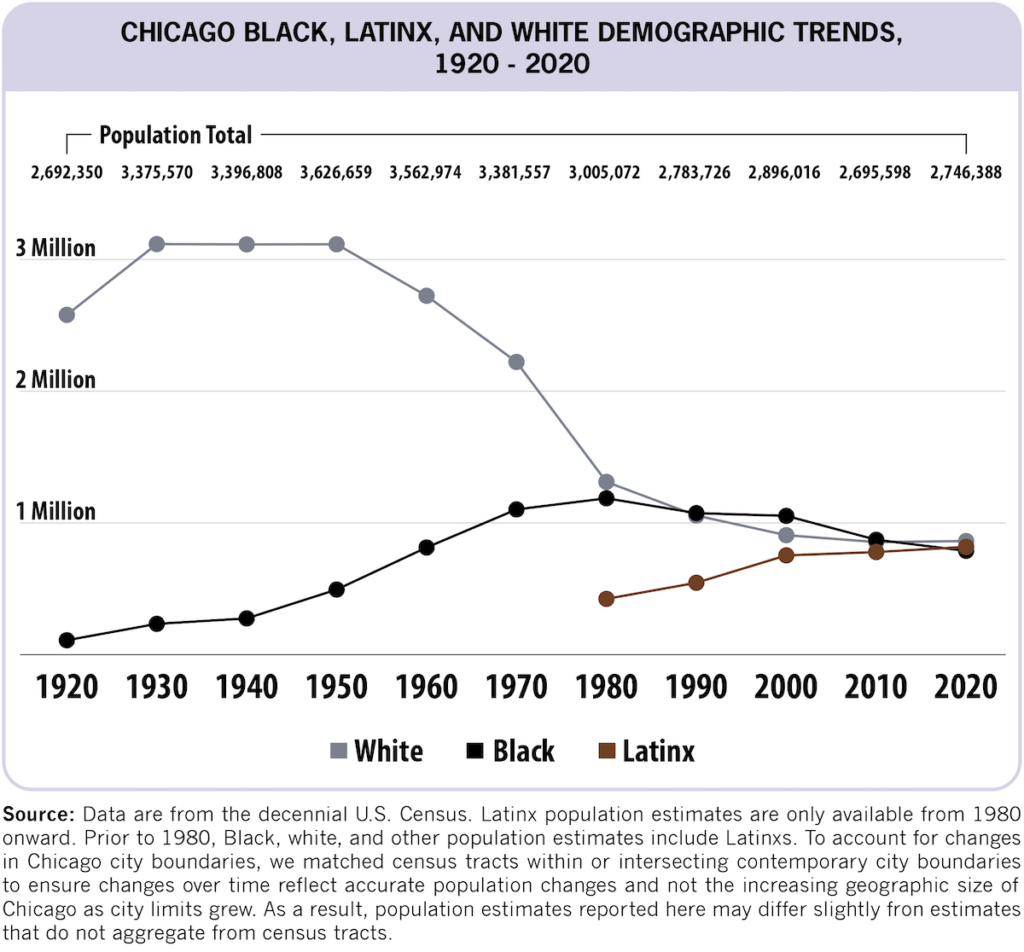
In Shifting Population Trends, IRRPP researchers share: “Few cities have seen such tremendous population changes as Chicago over the past century. By 1920, Chicago was the fastest growing city in the history of the U.S. As a central railway link, agricultural trading post, and manufacturing hub, Chicago attracted waves of European immigrants during the early 1900s who were shortly followed by Black migrants from the U.S. South. In 1950, the Chicago Metropolitan Area was the eighth largest in the world, with a larger population than Beijing, Mexico City, and Rio de Janeiro.
Half a century later, population trends have changed dramatically. From 2000 to 2010, Chicago was the only U.S. city among the ten largest to lose population. Since 2010, Chicago’s population has grown slightly, but at rates lower than all other major U.S. cities. In the aggregate, Chicago’s population history is one of boom and bust. Yet, a closer look at population trends across residents’ race and social class reveal a more complicated picture.
Whereas the population of white residents in the city peaked in 1950 before a rapid and steady decline, the population of Black residents continued to grow through 1980. Since then, Chicago’s overall population has fallen at the same time that the region’s Latinx population has nearly doubled. Factors driving population changes in the Chicago region are experienced differently across race.”
The data below, drawn from the IRRPP report, reveal meaningful social and economic trends in the city at large, and the South Side more specifically.
Jill Petty is editor-in-chief of South Side Weekly.
My parents saw this happening back in the late 1960’s. The segregation in this city was amazingly brutal. Yet, when the low income housing was torn down it began a tool to almost become a predatory situation, that was prevalent held in those low rise housing developments. The people were literally thrust into the city of Chicago without any pre planning of what to do. Being unprepared just was an essential need that was seemingly never thought about. Because any good percentage of the population no matter what race being in those developments, would not just know where to go for help. Unfortunately I do believe as my parents felt that it would unleash a war within our own community. Thus resulted in not a stronger position of jobs, housing, retail, etc become more difficult to obtain.