
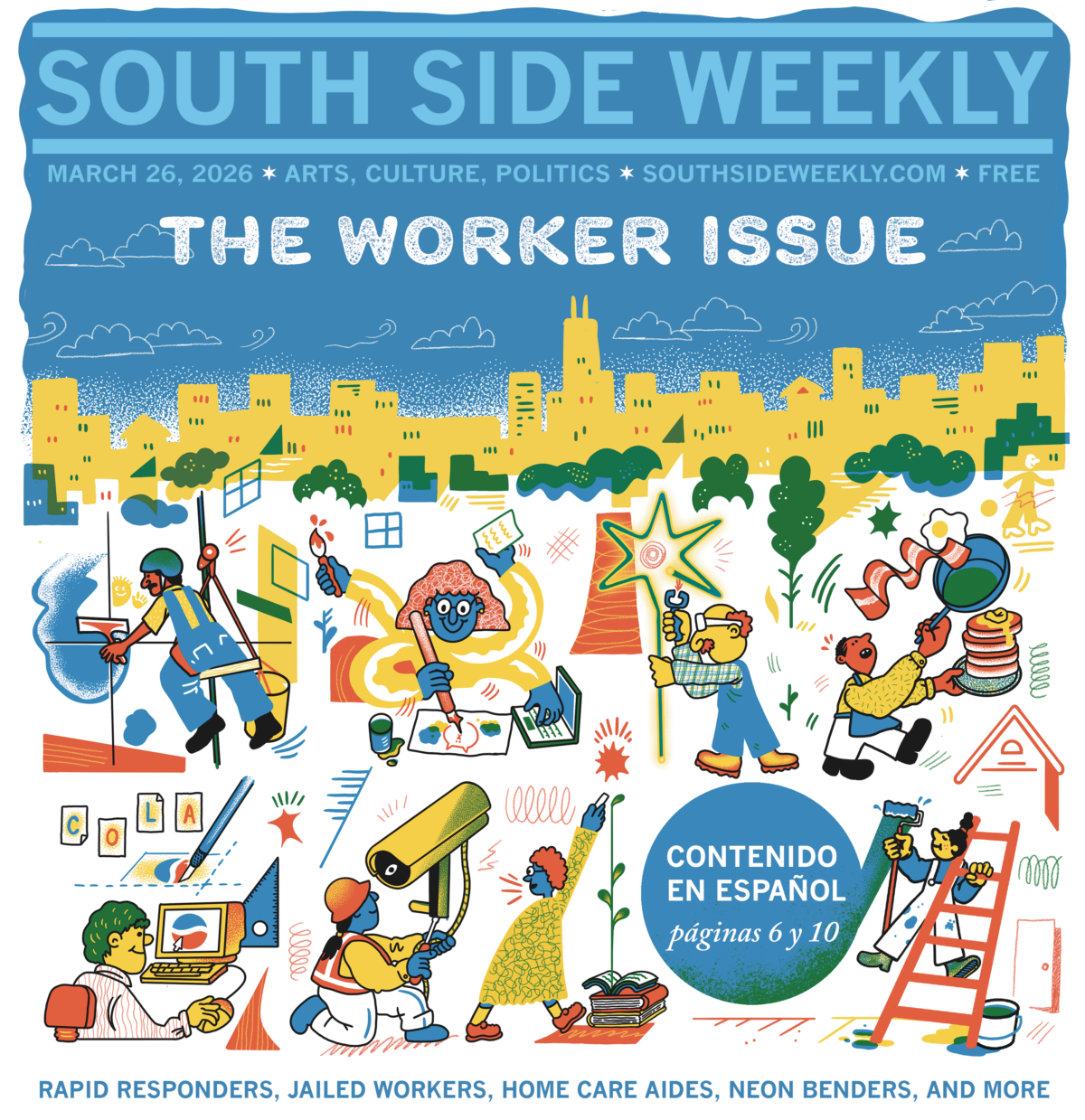
I remember the moment I realized the work required to make a newspaper.
I was 11 or 12 years old, and reading a YA fantasy novel where the main character takes up a job at a newspaper. As he meets and befriends writers, editors, and delivery boys, I distinctly recall having the thought—at the time it was revelatory—that the newspapers my parents read at the kitchen table were created by real people, and lots of them, laboring day in and day out to produce something that we saw, picked up, and read all over the city.
I find it helpful to remind myself from time to time that almost everything we see and use throughout the day is made or maintained by real people, usually lots of them—and we almost never see them do it.
Take a look around you. Maybe you’re reading this at a cafe; how many people grew, washed, packaged, shipped, and prepared the coffee you’re drinking? Maybe you’re at home; who maintains the plumbing? Fixes the roof? Who’s working at the power plant, making sure the lights are on? Or perhaps you’re on the train; who laid down the tracks, built the platforms, and designed the look and feel of the space?
This issue is an ode to the hidden labors—and laborers—that make our world go round.
We interview rapid responders who have protected our immigrant communities for years, and especially over the last several months. Their work is not limited to whistle blowing and following federal agents around, although those efforts are crucial and valuable. People play many roles in the coordinated defense of our communities—ourselves and our neighbors—from masked federal agents.

We’ve included a Q&A with labor rights organizer Jorge Mújica, containing crucial information about the rights all workers possess, regardless of immigration status. And we speak with an incarcerated worker at Cook County Jail, who’s been tasked with cleaning up flooded and burned cells for cents on the hour, while navigating the realities and challenges of their disability.
We chronicle the experiences of Chicagoans who provide care for people living with disability. While caretaking is one of the fastest growing “work sectors” in the country, it is often informal and unpaid; we share resources for those called to this labor, who are caretakers of loved ones.

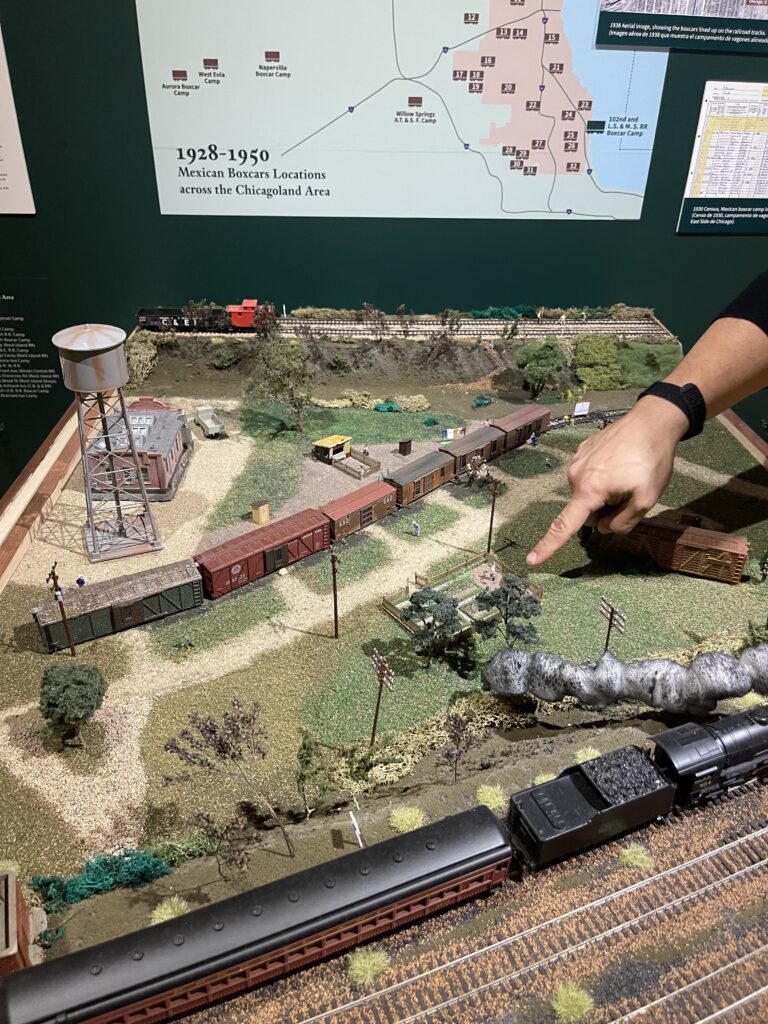
We interview three grant writers on the difficult, critical fundraising work they engage in to sustain nonprofits, in the wake of Trump’s inauguration. And we review an exhibit at the National Museum of Mexican Art, exploring the history of Mexican workers who constructed Chicago’s railroad and industrial infrastructure in the early 20th century, before some of them were deported on the train lines they built.
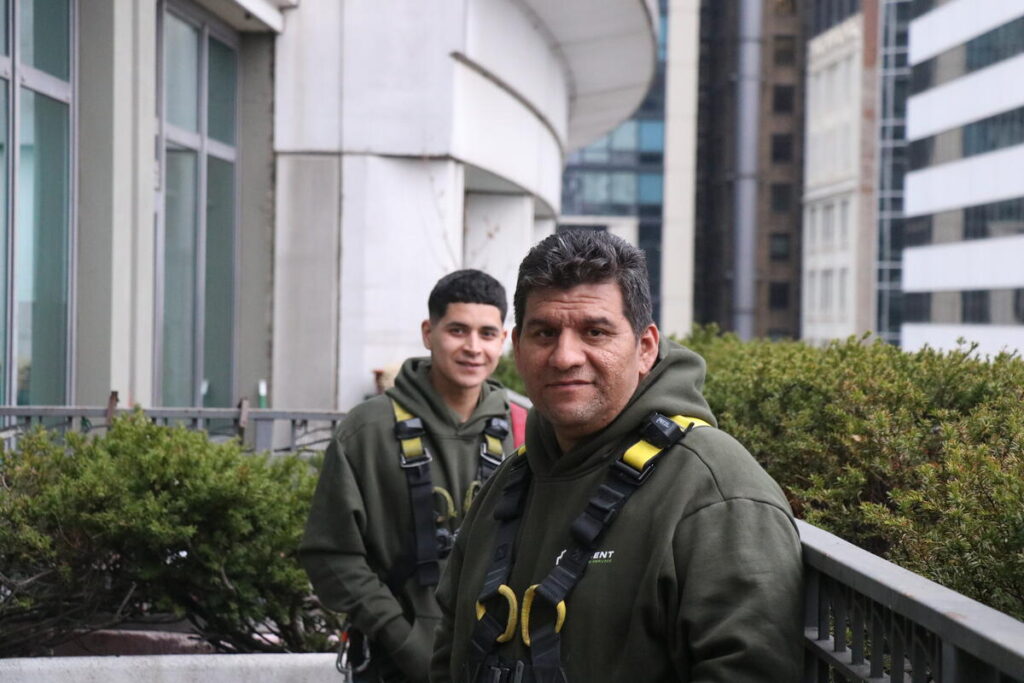
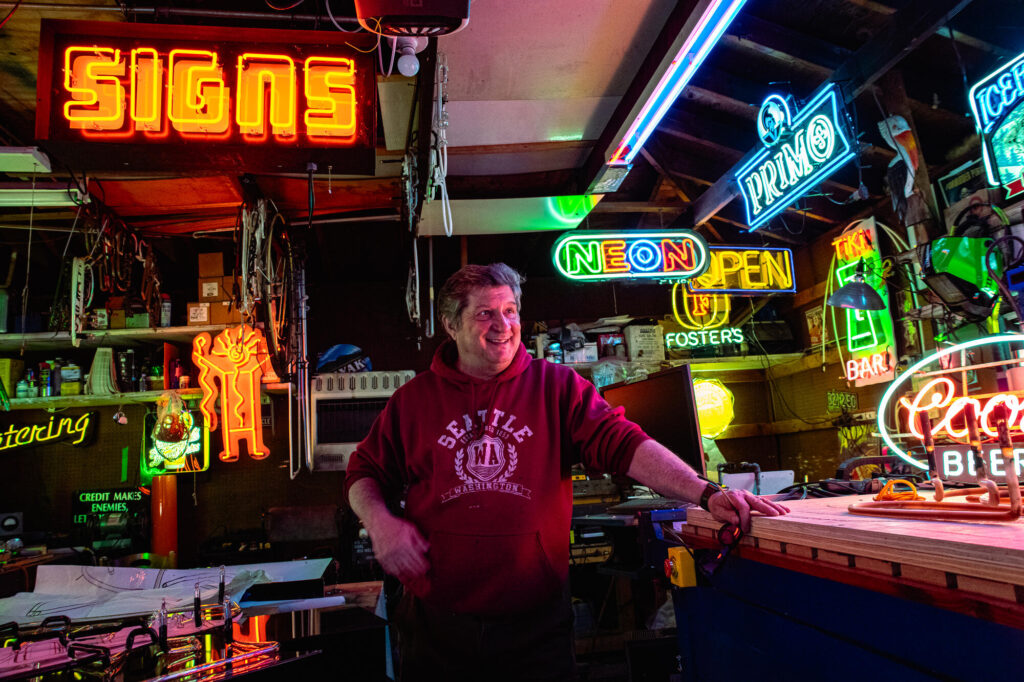
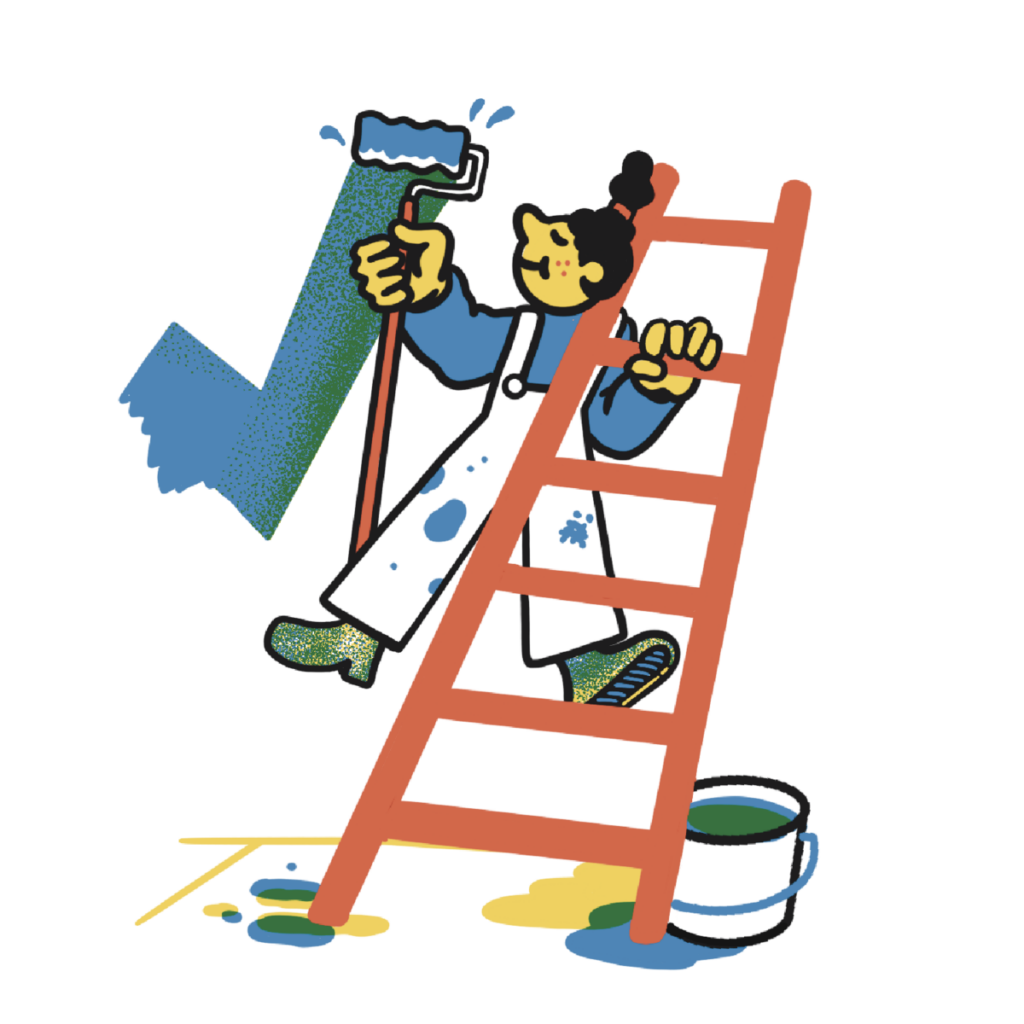
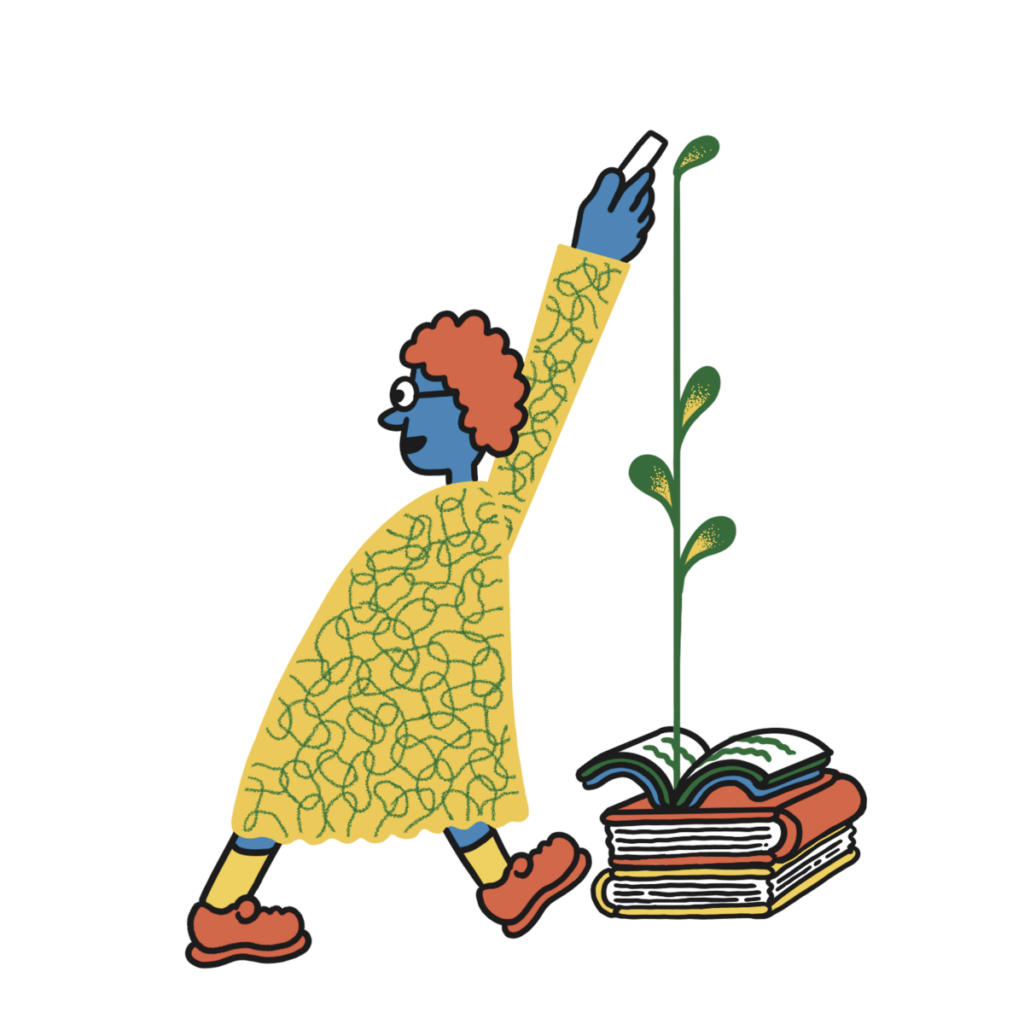
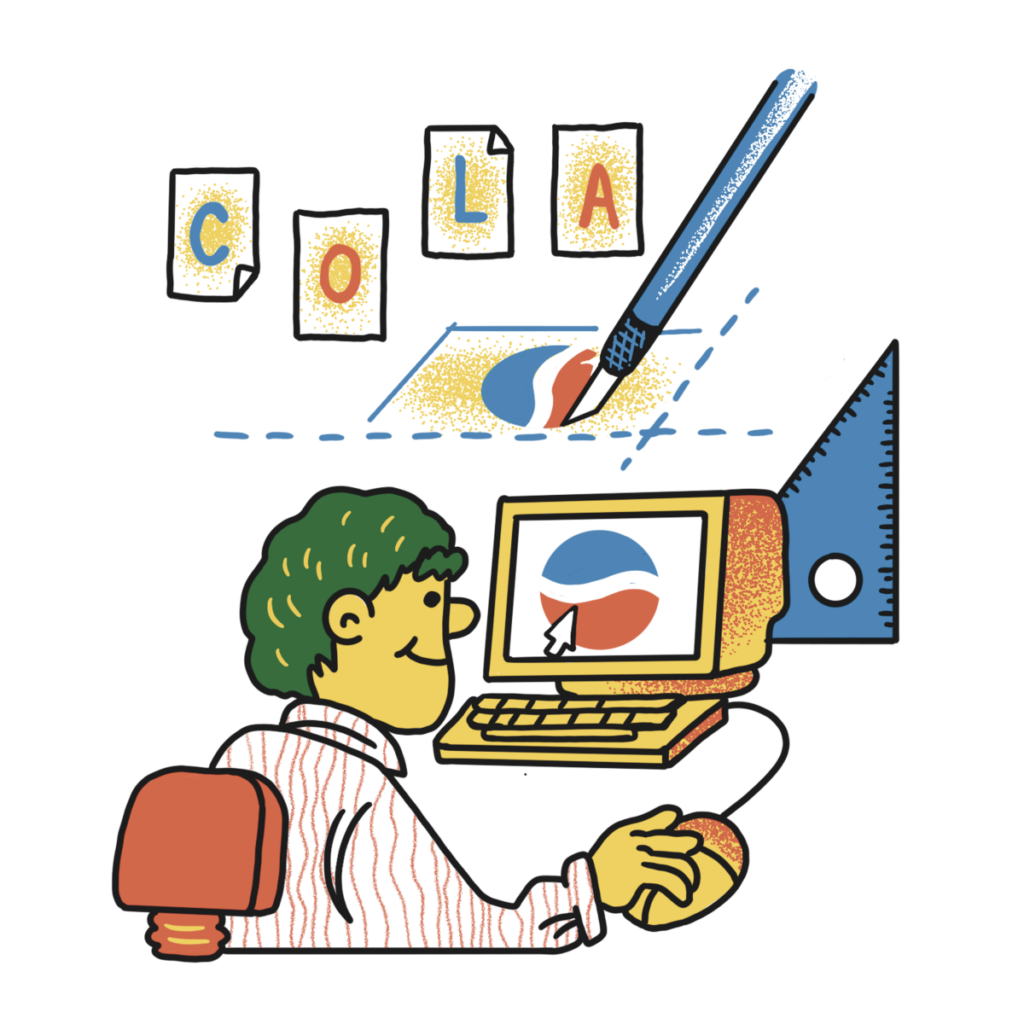
And in the middle of the issue, we feature short profiles of a variety of workers: window washers, neon sign benders, a theater set designer, a high school agriculture teacher, a visual artist, and our very own and recently retired layout editor.

This issue will also be my last as interim editor-in-chief. It’s been the highest honor to steward the publication since October, and I’m grateful for the opportunity to have worked so closely with the staff and freelancers of the Weekly. You would not be reading these stories without the many contributions of these talented people.
I’m also thrilled to be passing the torch to Jill Petty, who will take over as the Weekly’s editor-in-chief starting with the next issue, out on April 9. Jill is a lifelong South Sider who brings years of experience in journalism, book editing, coaching and writing to this role. She is excited for the challenge.
After a short break, I’ll be sticking around as deputy editor. Stay tuned—this will be a big year for the Weekly.
– Adam Przybyl, interim editor-in-chief