

The Obama Presidential Center opened over the Juneteenth weekend, dazzling visitors with art, a fruit and vegetable garden, athletic facilities, a playground, and an eight-story museum—but no presidential papers.
While the Center includes a branch of the Chicago Public Library, it is not itself a traditional presidential library. The Barack Obama Presidential Library is the first entirely digital presidential library, with its physical contents deposited at the National Archives at College Park, Maryland, and a few artifacts “on loan” at the Center’s museum.
The presidential library system was formally initiated in 1939, when President Franklin Roosevelt donated his papers to the federal government with the intention that they be made accessible to the public. Since the Presidential Records Act of 1978, presidential records that document constitutional, statutory, and ceremonial duties of the president have been established as the property of the United States government, and are stored in archival depositories.
The Weekly sat down with Kellee Warren to break down what presidential libraries are, why they matter, and how the Obama Presidential Center is distinct.
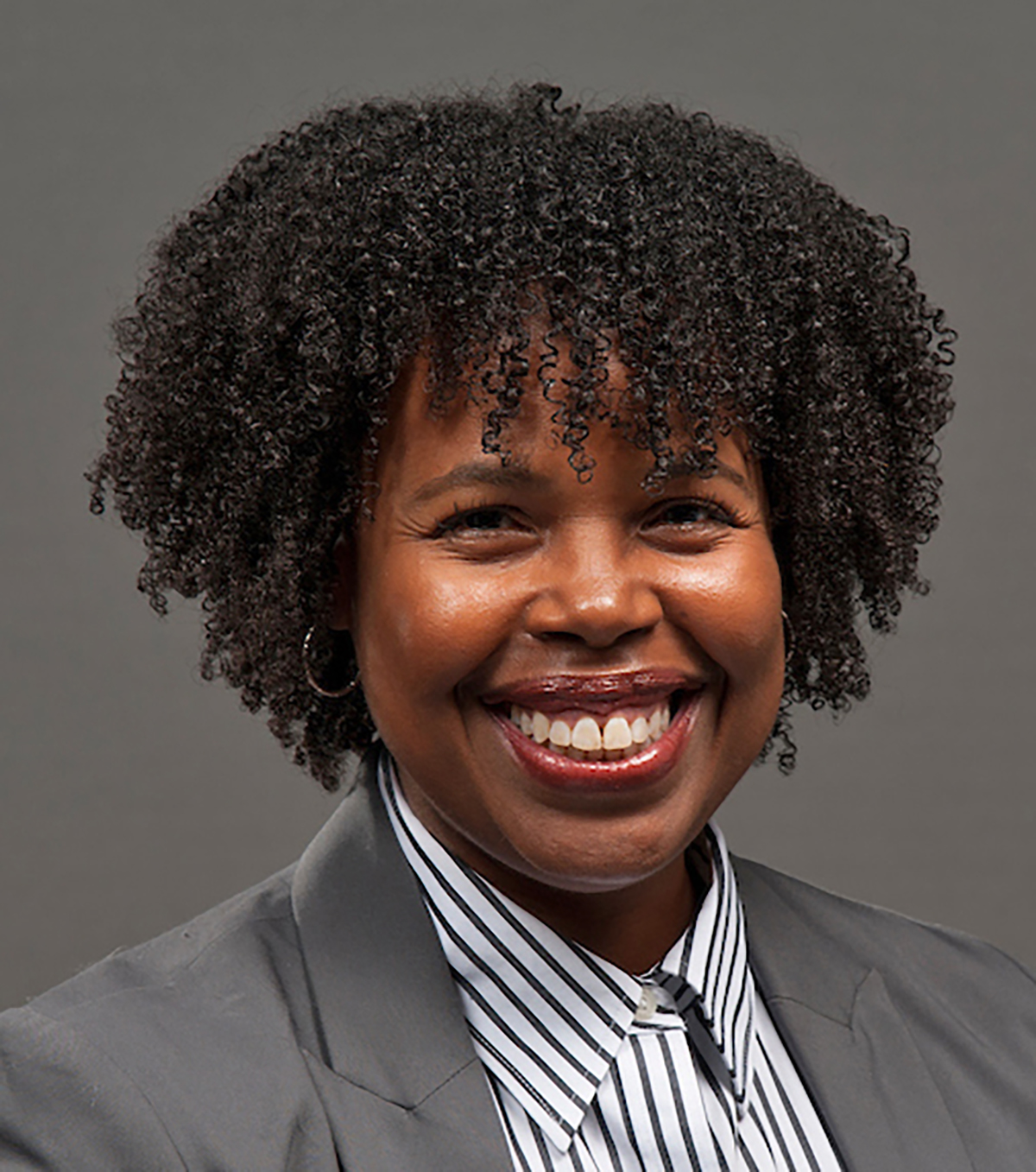
Kellee E. Warren is associate professor and special collections librarian at the University of Illinois Chicago. Ms. Warren’s most recent article, “Feeding the Insatiable Beast: Education Technology and Digitization in Special Collections Libraries and Archives” was published in the December 2024 special issue of the Canadian Journal of Academic Librarianship special issue, Libraries Extraction/Enclosure. Her research interests include critical pedagogies, digital humanities, and oral history.
Ellie Gilbert-Bair: What is the National Archives and Records Administration (NARA)?
Kellee Warren: NARA is the records repository for the United States, which means that it is where records generated by the U.S. government and its agencies are held, accessed, and preserved. The records can be both physical and digital.
What is a presidential library? Who builds them and what do they contain?
A presidential library holds the special collections and archives generated during, before, and after the tenure of a president of the United States.
Generally, NARA manages the operations of a presidential library through the Office of Presidential Libraries. However, because of the political climate, shifting attitudes about presidential libraries, and financial concerns, future presidents will have to experiment with operations and funding for their libraries. There may be a time when popular presidents opt out of establishing a library. Perhaps there will be a centralized presidents’ library and archives—who knows? These institutions can take on any shape in the future.
Editor’s Note: Over the next few years, NARA plans to close three of its facilities, including its Chicago center on 7358 South Pulaski Road, which houses transcripts from the Trial of the Chicago 7, maritime records for the Great Lakes region, and documents on tribal nations, among other artifacts.
Why do presidential libraries matter?
Presidential libraries matter to the public because they have the potential to allow the public to learn how presidents lead the country, how they engage in international relations, and how they engage with the public—with their constituents. More importantly, materials held in a presidential library may provide insight into the emotional and intellectual life of a U.S. president.
How is the Obama Presidential Center unique?
The Obama Presidential Center is unique in that they made the decision to rely more on private funding through the Obama Foundation. A traditional presidential library is usually a mix of public and private funding and management. But NARA funding comes with so many conditions that it has become almost undesirable to partner with them. So, instead, the Obama Center has integrated a Chicago Public Library branch into the Center. While they have included some traditional elements of a presidential library, such as a museum, they are making a concerted effort to communicate to the public that this is not a traditional presidential library.
It is very deliberate that it is called the Barack Obama Presidential Center, and not the “Barack Obama Presidential Library.” That said, there could be a problem with the private funding centered model. They are presenting the Center as a public space, but that is not necessarily true. There are spaces the public can access freely and with a fee—the museum—but there are also spaces the common people may not be able to access—the Forum and the Home Court.
Lastly, there is some concern about the Obama presidential records being digitized and not really available on site at the Center. This will make it more challenging for researchers and historians to craft narratives about President Obama and his legacy. When President Franklin D. Roosevelt established the National Archives and deposited his papers, he had the idea that the public would be able to access his papers and that presidential papers would be disseminated throughout the United States through presidential libraries. That is, it would have been of increased benefit to Chicago to also have the physical papers from the Obama presidential years. Further, community members and students who have never had the benefit of viewing physical archival documents will not get to see them in their own backyard.
In a future issue, the Weekly will sit down with Teresa Helena Moreno, assistant professor and librarian at the University of Illinois Chicago, to further discuss what information preservation looks like in a presidency that took place in the digital age.
Do you have a topic you would like to ask an expert about? Email us at elliegilbertbair@southsideweekly.com.