

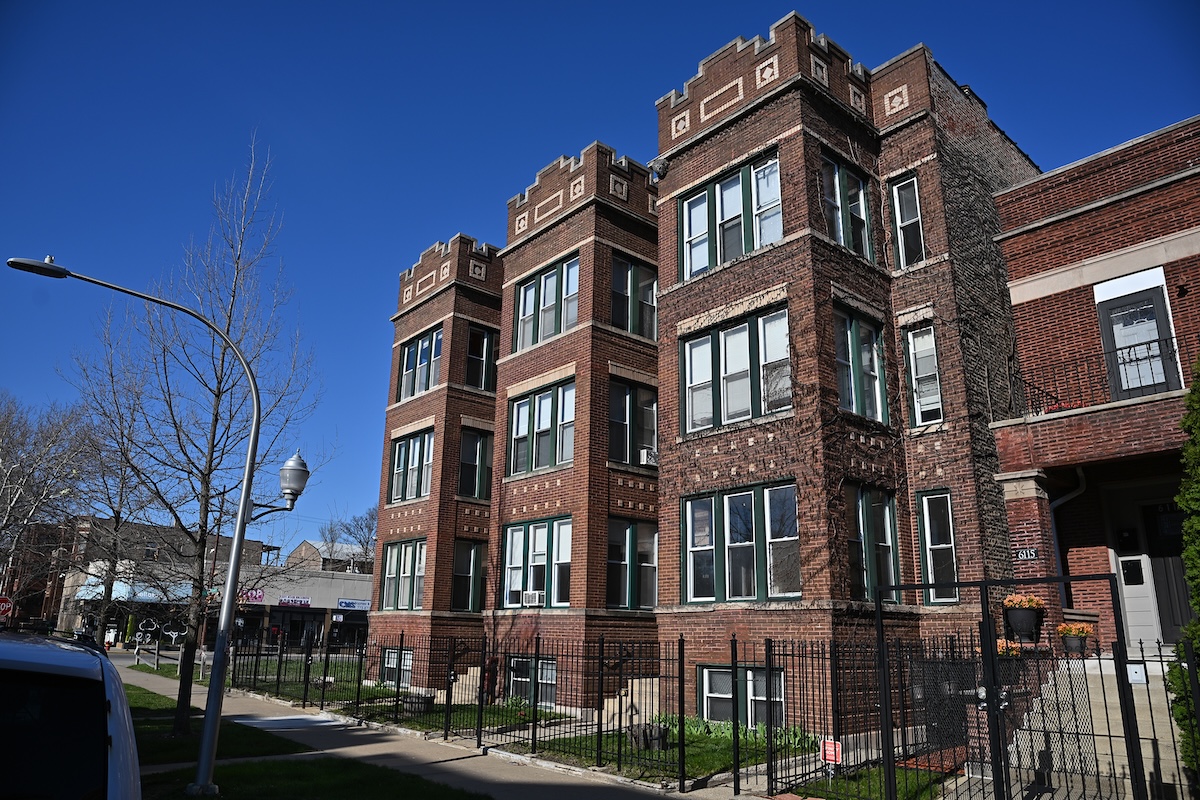
This article is part two of a two-part series reported by the Illinois Answers Project. Part one of this series focuses on the lack of funding allocated toward implementing the city’s anti-displacement ordinance and East Woodlawn’s increasing white population, which outpaces the city as a whole. It ran in the June 4, 2026 issue of South Side Weekly.
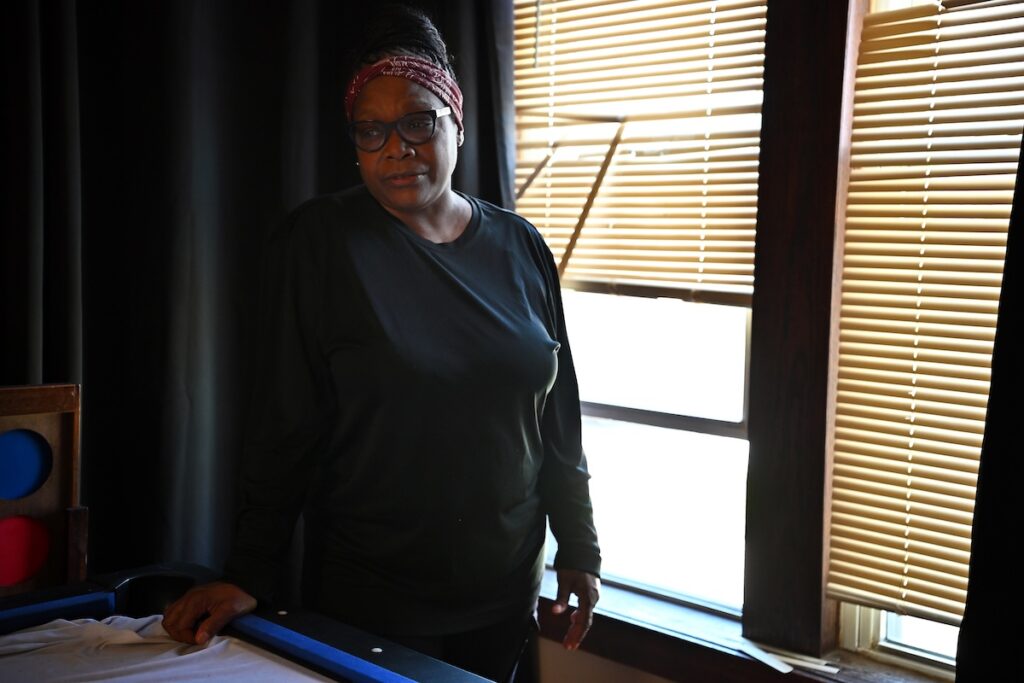
The city’s pilot program for tenants to give them the right of first refusal was supposed to provide renters like Barlow and her neighbor Bolden the same stability as homeowners and protect them against the capriciousness of landlords.
The program was designed to ease tenants’ path to homeownership by giving them several months to organize and secure a bank loan if they wanted to buy their apartment building themselves.
Since moving into her one-bedroom in 2021, Bolden has seen the building change hands twice.
Close to a year after she signed the lease, a now-dissolved limited liability corporation sold the building to a local investor named Mike McCauley. Without notice, Bolden had a new landlord who raised her rent by $100 per month, she said. McCauley could not be reached for comment.
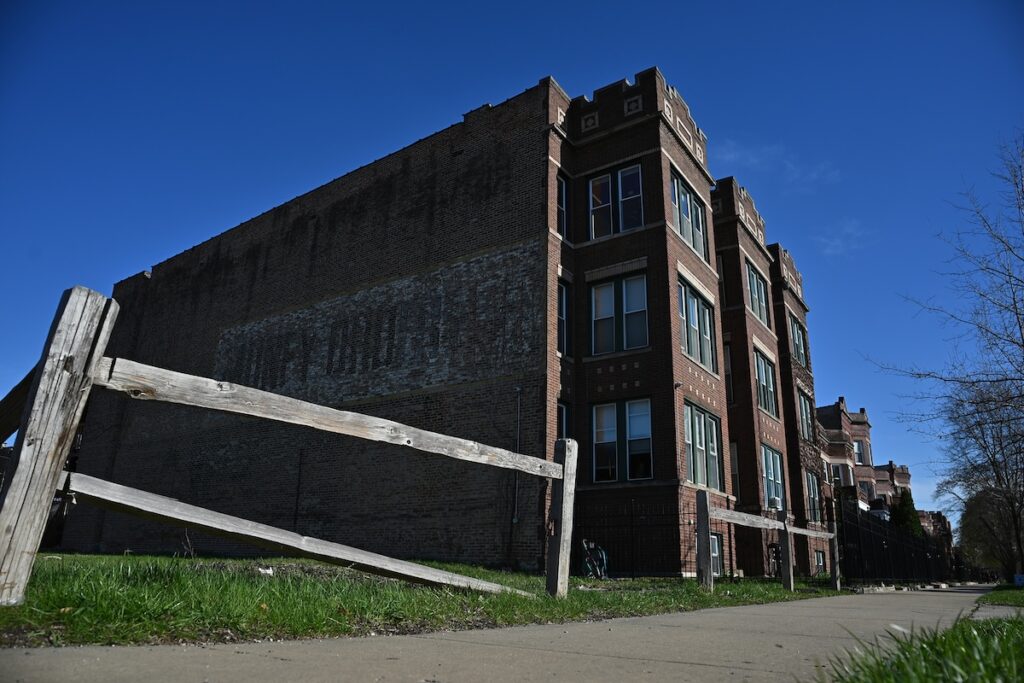
Then, in June 2025, after facing public criticism from his tenants for leaving them without gas for a week, McCauley sold the building to a family-owned company, Maple & Oak, which is buying, gutting, and rehabbing historic-looking multifamily homes throughout the West Side of Woodlawn.
Real estate investor Perry Pappas, speaking for the company, told Illinois Answers he didn’t buy the building with the intention of renovating and raising rents but was surprised by a city inspection that required repairs. His tenants contend Pappas has been slow to address maintenance issues since taking over. When asked if he plans to keep the same rent price after repairs he said, “we will do what the market calls for.”
The tenants of the building, again, had no idea about the deal until after it was done. But the law says, both times, they should have.
According to the Department of Housing, neither the managers of the suburban LLC nor McCauley sent notices of the sale to the city or to the tenants as mandated by the pilot program. Bolden and her neighbors never had the chance to try to buy their building.
Neither has any tenant in the area.
The Department of Housing has no record of any landlord in five years filing a notice warning the city or their residents that they were selling the building. And the city didn’t do anything about it. The law allows the city to fine landlords who violate it up to $1,000 a day. DOH had no records of enforcing any penalties.
A spokesperson for DOH said they have revised the program in its second-iteration anti-displacement in Jackson Park and Woodlawn to allow for online submissions, clarified instructions, and made rules available in multiple languages.
“We believe this will increase compliance in the Jackson Park area,” Cox, the DOH spokesman, wrote in an email.

Local residents and experts alike say the program suffered not only from poor oversight but also lack of financial support for low-income residents who can’t afford significant down payments.
Barlow’s building sold for more than a million dollars. She said raising that money among the other tenants was a near impossibility. “Who has that just sitting around,” she said, adding that if they had financial help from the state or other organizations, “then that would be a whole different story.”
Other cities have tried this model. Right of first refusal programs in Washington, D.C. and San Francisco have seen more success than those in Chicago because well-funded organizations front down payments for tenants.
Christian Diaz, a housing advocate who helped write a similar ordinance for Chicago’s Northwest Side, said right of first refusal programs will continue to struggle without funding. “The city has to step in and provide real subsidies,” he said.
The city did step up with money, though, in another program, one of the few that residents have praised as making a real difference.
One program that worked
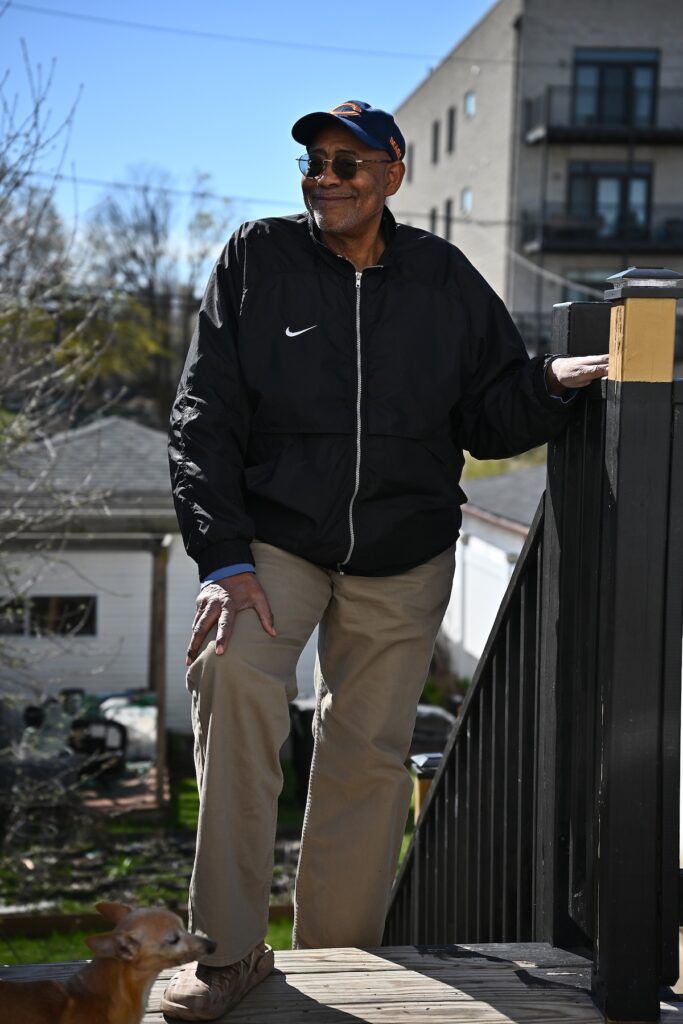
A $20,000 grant from the preservation ordinance helped Jerrold Sims fix a major leak at his Woodlawn duplex.
“It helped me stay in my home,” he said.
The million dollar home repair program offered direct aid to homeowners facing increasing property taxes and maintenance costs that could drive them out of their homes.
Gill, who also received the home repair grant, saw his tax bill increase by nearly 60% to more than $3,300 from 2014 to 2024. The grant helped him fix a backyard fence at his childhood home.
Gill, a local business owner, was a part of the group that drafted an early and more ambitious iteration of the Woodlawn Housing Preservation Ordinance; they wanted property tax freezes for everyone, but that never happened.
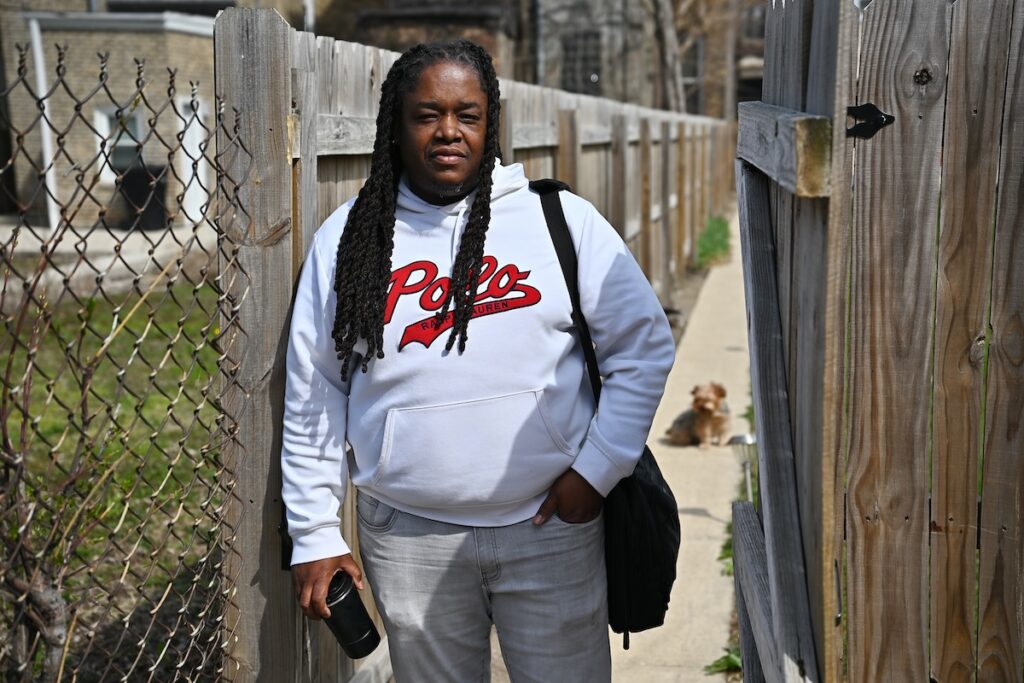
As for Sims, if it weren’t for a tax freeze for senior citizens and other exemptions, his tax bill would have more than tripled. And as property taxes increase, so do the calls from investors interested in buying his home, Sims said.
These investors, he said, make low-ball offers. That’s a common practice for real estate investors looking to buy out people who can no longer afford to live in a neighborhood where the cost of living has increased.
“I have all these people that call me. They call all of us, wanting to buy our homes … ever since the Obama Center is almost completed,” he said.
That makes direct aid to ease the cost of living critical for many residents.
Taylor said that she wanted to see this type of direct aid continue every year as cost pressures on residents increase in Woodlawn.
“Saving maybe 100 families is not what people signed up for,” Taylor said. “It’s not why I got into office.”
The challenge of building affordable housing
The problem, experts say, is the costs of building affordable homes, which researchers reported last year have exceeded $700,000 to build just one apartment unit that is affordable by city standards.
Jackson told Illinois Answers that rising construction costs combined with declining public subsidies make it “incredibly difficult” to build affordable housing in the city. She said Woodlawn ordinance programs to build or rehabilitate this type of housing in the neighborhood were not immune to the high costs.
And critics of the city’s housing affordability requirements say the deals it lays out for developers often don’t make financial sense.
One example is the Woodlawn Loan Fund. The city gave about $300,000 to a non-profit mortgage lender, Community Investment Corporation (CIC), to supplement financing for low-interest construction loans to local developers who could rehab vacant residences and set aside at least half of the units in their multi-family projects as affordable. The program initially required $1.5 million in funding from the city.
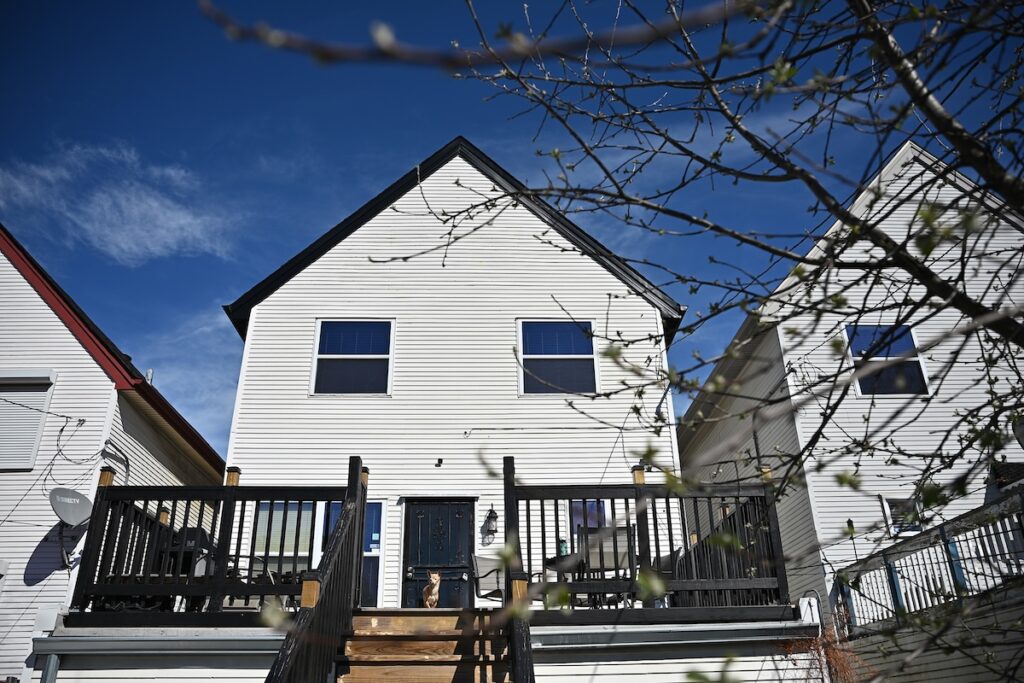
Records from DOH and CIC show that only half of the program’s projects under consideration were completed. One CIC document shows that program administrators set the goal of approving 45 units in the first year. By the end of 2025, only 40 became available for renters.
The program also set goals for single-family homes. None of those projects has been completed.
A spokesperson for CIC told reporters in an email that funding from the city ended at the end of 2025, but the loan program is still taking applications.
Rising costs also doomed a number of other programs in the ordinance. Preservation of Affordable Housing, a nonprofit housing developer, said the $500,000 it received from the city to buy and renovate apartments wasn’t enough to execute a project. And money for another program for landlords to refinance to keep rents low also went unused.
The city sets strict guidelines on how much landlords who take public money can charge for rent. But even in playing by those city rules, many developers set rents as high as they’re allowed.
Even developers who are working under the city’s affordability rules are looking to charge about $2,000 for a two-bedroom.
Craig Yarbrough, a developer building a multifamily home in West Woodlawn with help from the Woodlawn Loan Fund, said he considers that price affordable.
But that’s far too expensive for some residents, including the local alderman, Taylor who said her five-bedroom, two-bathroom apartment rent increased from $1,000 to $1,500 in the last five years. When it hits $2,000, she plans to move.
Taylor told Illinois Answers she’s gotten hundreds of calls from residents priced out of Woodlawn.
“Had the city of Chicago listened to the community, this would not have happened.”
Binghui Huang, Sidnee King Pineda, and Andrew Adams are with the Illinois Answers Project.