
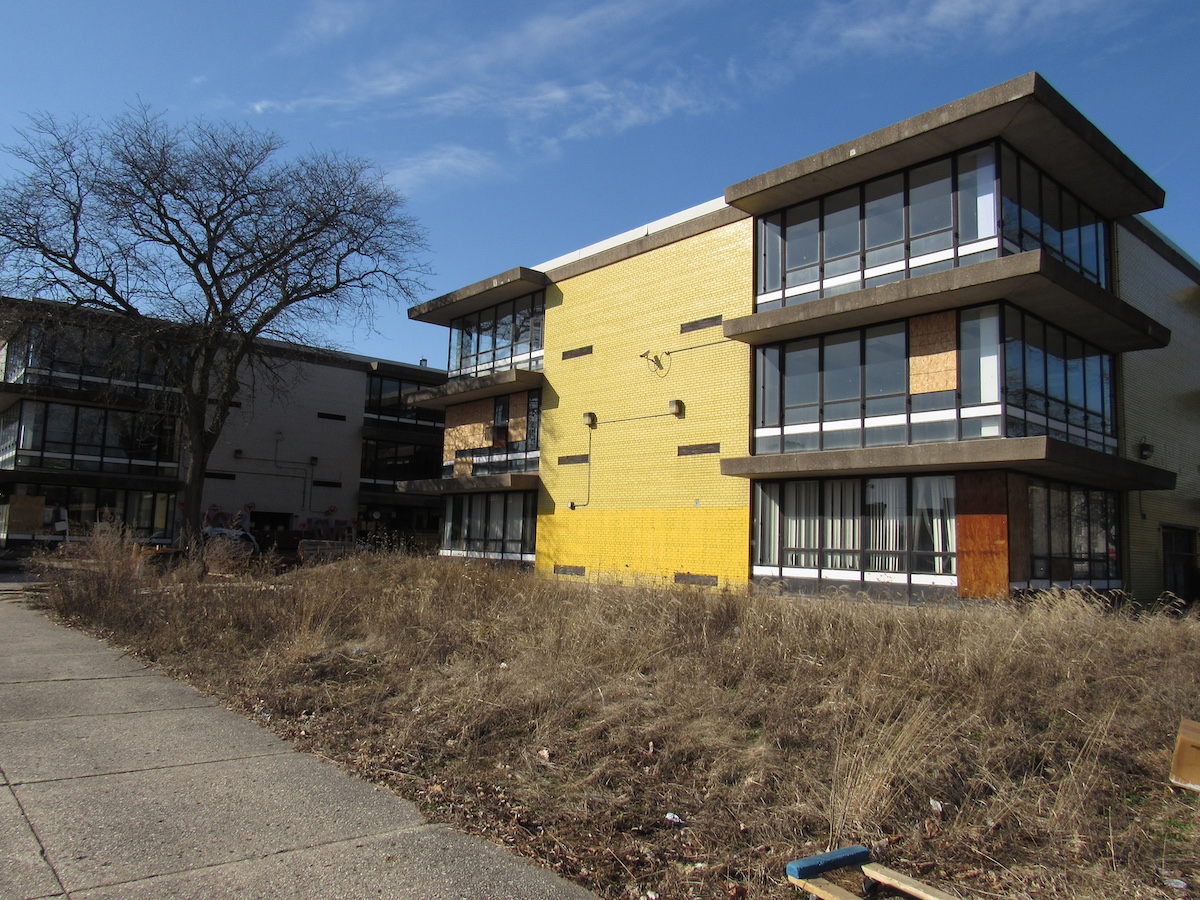
During the spring of 2024, I found myself within the walls of the Chicago Art Department ready to embark on a new creative journey. Through the Collective Learning Program: Recentering the Image-Making Process, a creative think tank curated by Sebastián Hidalgo, we were presented with the complex undertaking of addressing the moral mishaps the field of photojournalism is riddled with. The person holding the camera has the power to create narratives, and often, when it comes to those most marginalized, the narratives written veer far from the truth. We are left out of the conversation while our faces cushion the pockets of exploitative fingers. The collaborative spirit is stifled, and the backlash against improper representation is met with the demand to be silent.
As a radical cultural worker, I always find comfort in texts that explore the massive range and weight of Blackness in its full complexity. I’m drawn to works that uplift the communities being written about and affirm our experiences often denied, such as Zora Neale Hurston’s courageous anthology, You Don’t Know Us Negroes and Other Essays, Audrey Petty’s narrative advocacy in High Rise Stories: Voices from Chicago Public Housing, or Eve L. Ewing’s Ghosts in the Schoolyard: Racism and School Closings on Chicago’s South Side, a breathtaking exploration of the violence attached to school closures in response to then-mayor Rahm Emanuel’s historic closure of 50 Chicago public schools.
Our daily commutes feature decayed and abandoned buildings, weed-infested vacant lots, corner stores acting as markets, and boarded-up schools that used to be community anchors and keepers of future trailblazers. These chilling encounters with systemic racism enact a deep psychological toll over time, the harms of which are quickly swept away and minimized. When thinking of the growing displacement of Black residents from inner cities, and specifically from Chicago, you can’t help but reflect on the driving factors: safety fears, a lack of confidence in the education system, sparse employment opportunities, and a lack of amenities. When the aspects of life needed for stability and comfort are constantly under-resourced, ripped from you, or never provided in the first place, you’re faced with the difficult choice of uprooting.
The school closures of 2013 provoked a further CPS enrollment dip and overall city population loss. After sitting with Ghosts in the Schoolyard and my own artistic determination to holistically document those most dissected, I knew the closures were an event that still needed far more digging and public activations. This was the seed for what would blossom a year later within the Collective Learning Program.
“What’s My School Worth?” looks to humanize the statistics and show how Chicago communities still salvage the pieces from this unprecedented event. When atrocities are perpetrated against Black and Brown neighborhoods, residents are left not only to come up with solutions but also to be the sole ones to sort through the memories that come with them. The rest of the world moves on and forces communities to do the same through destruction and displacement.
These closures caused irreversible damage to communities throughout the city, and we’re still dealing with the aftermath 13 years later. While initially working on this project, my mindset was fixated on solutions. What can we do to ensure something like this never happens again? Through the process of having conversations and extensive research, it shifted to holding space for grief that was never allowed to be processed and expressed. The moments that didn’t make the headlines, voices that went ignored, and information that was erased.
I released a photo series and short documentary in 2024, and I’m now looking to continue the series through South Side Weekly, focusing on how South Side schools are doing a decade later. I ask those who engage with this project: What can you do to uplift a movement you feel didn’t get proper representation?
This first issue is a conversation pulled from the initial project release. Hear from Destiny Brady on her experience navigating the 2013 CPS school closures.
This is a project created by Undoing Our Erasure, a multimedia resource hub founded by Alycia Kamil Moaton that’s dedicated to identifying and eradicating the omnipresent issues that impact the Black diaspora. The full interview is available to listen to on Undoing Our Erasure’s podcast. During the time of the interview, Destiny Brady worked as a program manager for a program running out of the former building of Overton Elementary, one of the closed schools, and featured in the included images.
Alycia Kamil Moaton: Let us know who you are and your role in the 2013 school closures.
Destiny Brady: My name is Destiny Brady. I am an architect, an artist, a writer, a photographer who doesn’t pick up her camera enough. I am a farmer, and I’m an exhibition designer as well as a curator. I was a student (during the closures).
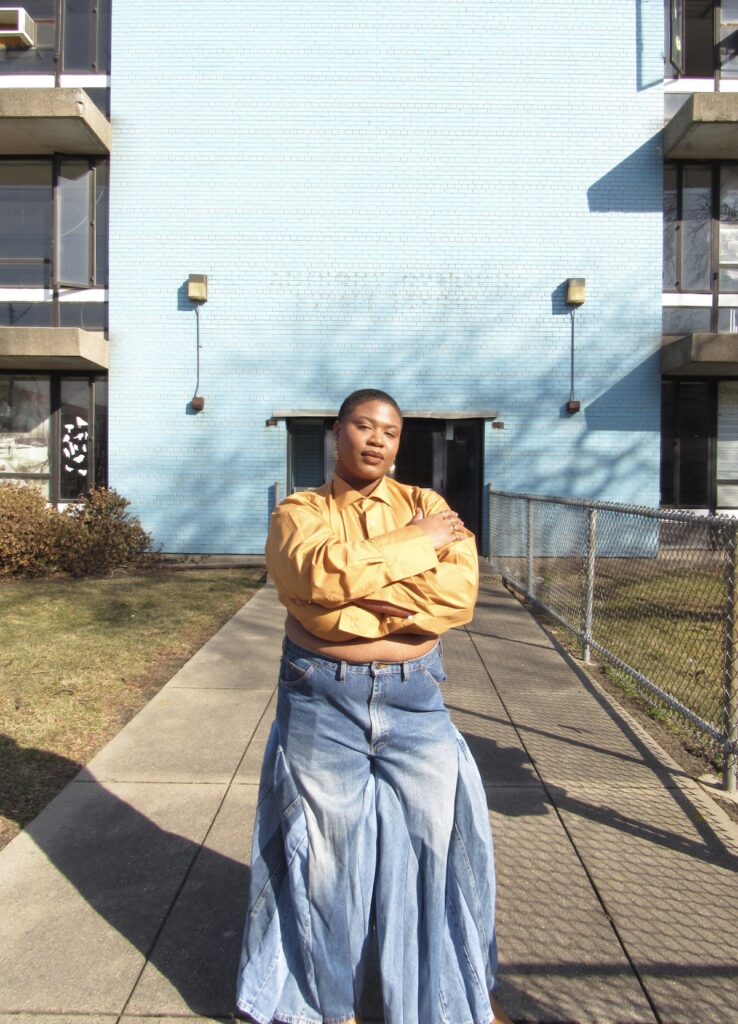
What was the school that you went to that got closed down?
I went to Canter Middle School in Hyde Park, but I also attended Kilman Corporate Elementary School, which is on the West Side, North Lawndale. Kelman’s building is closed, but it’s been an amalgamation of a few schools now. Cantor went back to its original state of being the middle school to Kenwood again.
How was your community before the closures?
We were the eighth grade class. We were excited. We were trying to plan a class trip. We’re doing class notables. It was always very festive, and the community was similar because they had grown to know us. After two years of seeing these kids every day, we know who’s on the corner, we know who works at the restaurants, but it all began to change really fast.
So when we got the news of the school closures, what was once festive is now disheartening. Having fond moments only to know that they’ll be the last ones. And not in that like, “oh man, we’re never going to be in eighth grade again,” but that this just isn’t going to exist anymore. And then within our community, we immediately began seeing the cues of disinvestment and gentrification taking place. The mom-and-pop shops were closing. We’re seeing way more people who do not look like us, they do not sound like us. They don’t even know where they’re at, and this has been home to us our whole lives.
Many officials at the time, specifically Rahm Emanuel, would often use the terms “underutilized” and “under-resourced” to excuse the closure of these schools. Race was often denied as a factor. Now knowing that 88% of those impacted by the closures were Black, how do you think this further deepens or exposes us to Chicago’s racist history and negligence towards the Black community?
For our generation, it was the first time I’ve seen just the lengths that they’ll go to keep us from the knowledge that is ours. To keep us from being able to strengthen ourselves and pick ourselves up in this world that we’ve been placed in, and we’re just trying to do the best with what we’ve been given. Like you said, it being in Black neighborhoods, Black communities, well, they’ve always been wanting to keep our resources from us, and make sure that we get the bottom if there’s anything in that barrel at all, and this was just further proof.
I think it was so diabolically strategic because, to start with kids, to start at youth, to start in the beginning, you immediately are introduced to a realm of being less than. We all grew up with the understanding that all you have to do is go to school. Then, you have this administration that comes in and takes that. So this sense of security, this sense of safety, this place where I can go and be cared for and cherished, and for a number of us, the center of attention, or finally in a community being practiced as a verb—well, if they can take that from me, if I don’t deserve that, if I’m not worthy of that—I think it speaks volumes to what they’ve been doing for centuries.
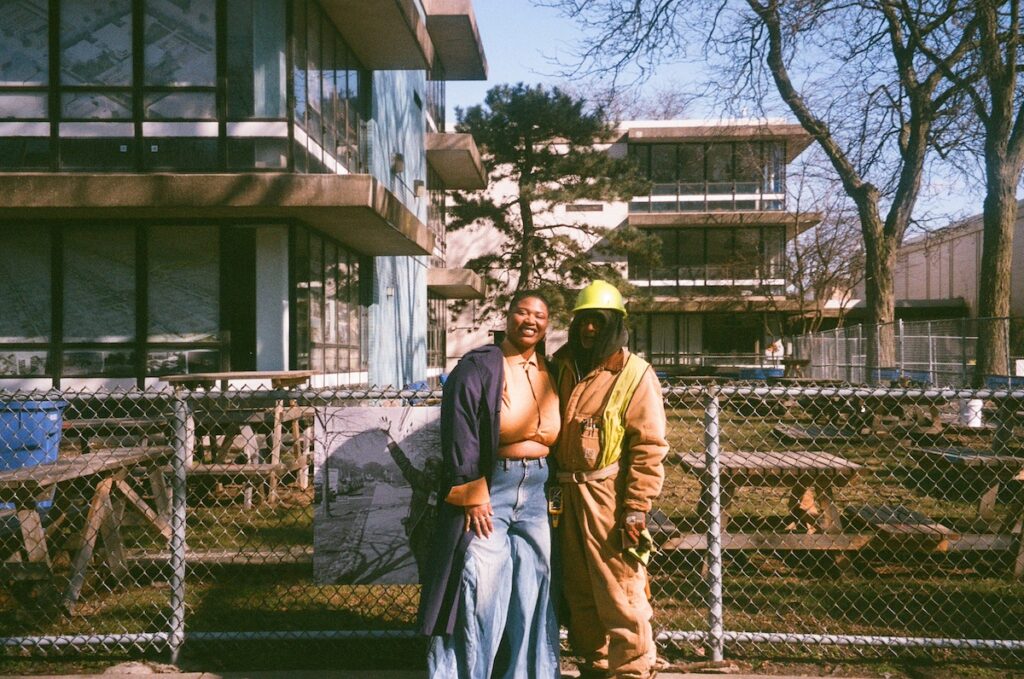
Did you find anything unfair about the initial reporting of the closures and protests surrounding them?
I would always be upset if they only showed snippets of the protests but wouldn’t allow for the audio. Because it’s one thing to see people gathered, but you need to actually hear our voices. Hear our voices. Hear how angry we are. Hear how hurt we are. Hear what you’re taking from us, and hear just how goddamn hard we’re fighting. I was always so upset by that. “You’re not going to be able to drown us out” is all I could think about when it was happening. I deeply sigh because 10 years, 11 years later, they didn’t just drown us out; they bulldozed us, moved us out of the city, cemented and built on top of that foundation, a complete erasure of us. I just simply wish the media didn’t stop. I wish the coverage never stopped because of how monumental this is. It’s the largest mass school closure in the country.
What do you feel are some of the lasting impacts of the 2013 school closures?
I don’t believe that Black and Brown communities were already just outwardly trusting our city officials or our state officials, but it definitely shredded whatever ounce there was, and rightfully so. I think one that’s not talked about as much is that there’s a longing. I’ll catch community members staring off into Overton, and it has a curtain wall, so you can look right through it. They’re looking at what was, and they’re just so brokenhearted. Then they’ll start to recount all of these stories. They just miss the hell out of it. Many of them are like, “I don’t want whatever new thing you’re trying to sell me. I want that old thing back. I liked what it was. I loved what it was. Can we do that again?”
If you are a South Side student, parent, or community member who was impacted by the 2013 school closures and is interested in contributing to this project, send an email to alycia@southsideweekly.com.
Alycia Kamil Moaton is a 25-year-old crossdisciplinary artist, educator, and freedom fighter from the South Side of Chicago who uses the power of creative expression to spark social change. She is also The Weekly’s engagement editor.